devoted state warring parties now seem to have taken manipulate of the anciently Syrian metropolis of Palmyra – pressure the destruction of this global history site’s valuable structure and artwork
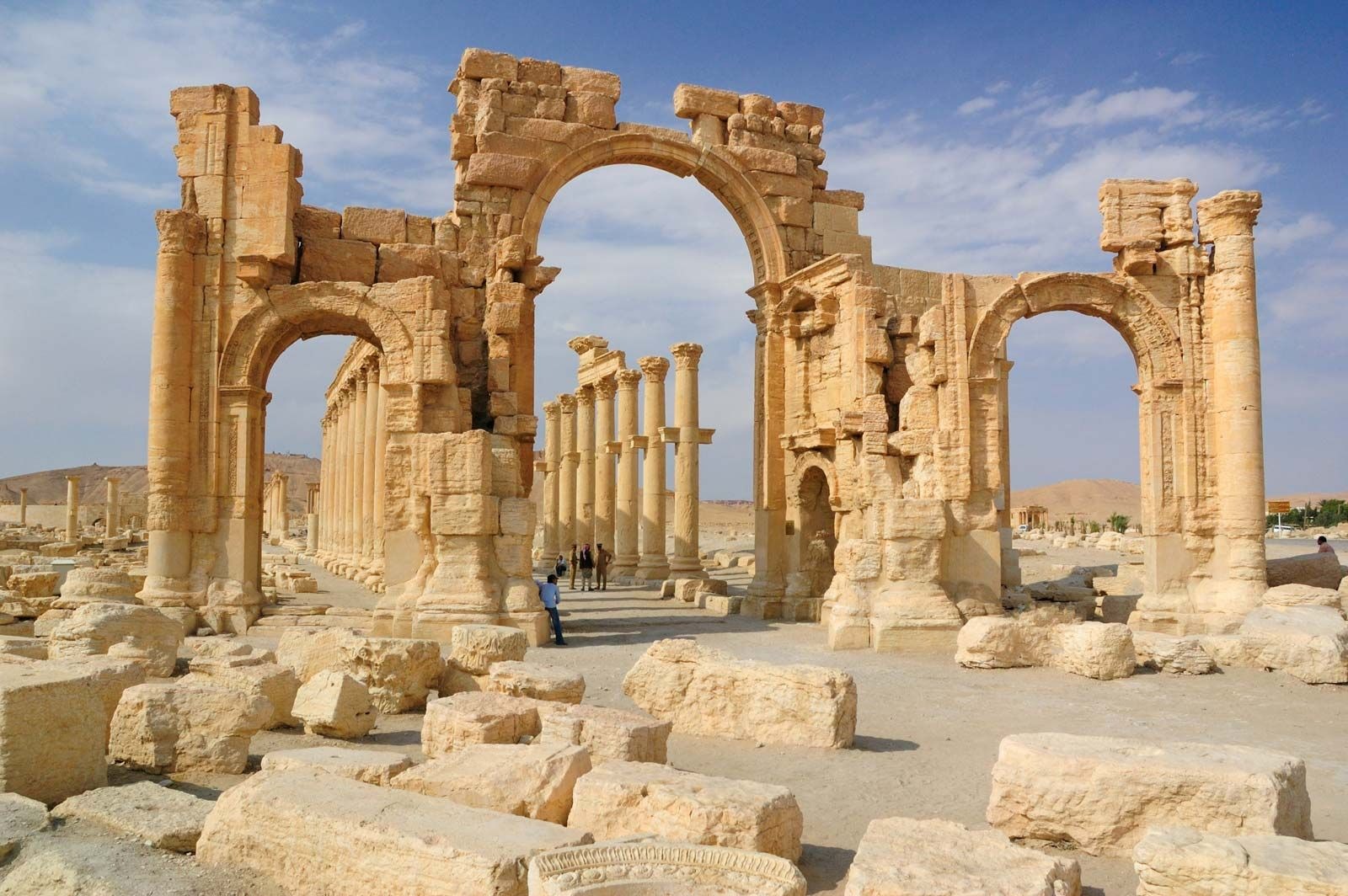
Hadrian’s Gate, Palmyra
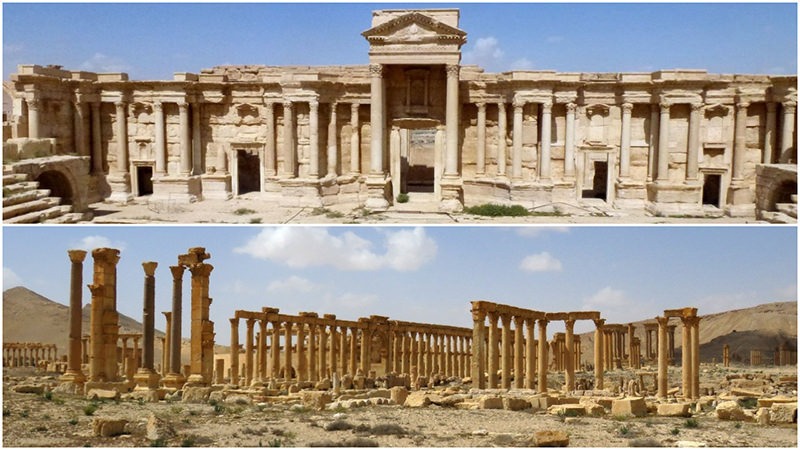
Known as the ‘Venice of the Sands’, the historic Syrian metropolis of Palmyra – placed at the brink of an oasis of date hands and gardens – became a rich caravan center from the first to the third centuries CE, now and again impartial and at different instances below the manipulate of Rome
Desert citadel
Palmyra has been certain a website of Outstanding Universal Value via way of means of Unesco: ‘Its grand, colonnaded avenue of 1100 meters’ period bureaucracy the huge axis of the metropolis, which collectively with secondary colonnaded move streets hyperlinks the important public monuments which includes the Temple of Ba’al, Diocletian’s Camp, the Agora, theatre, different temples and concrete quarters’
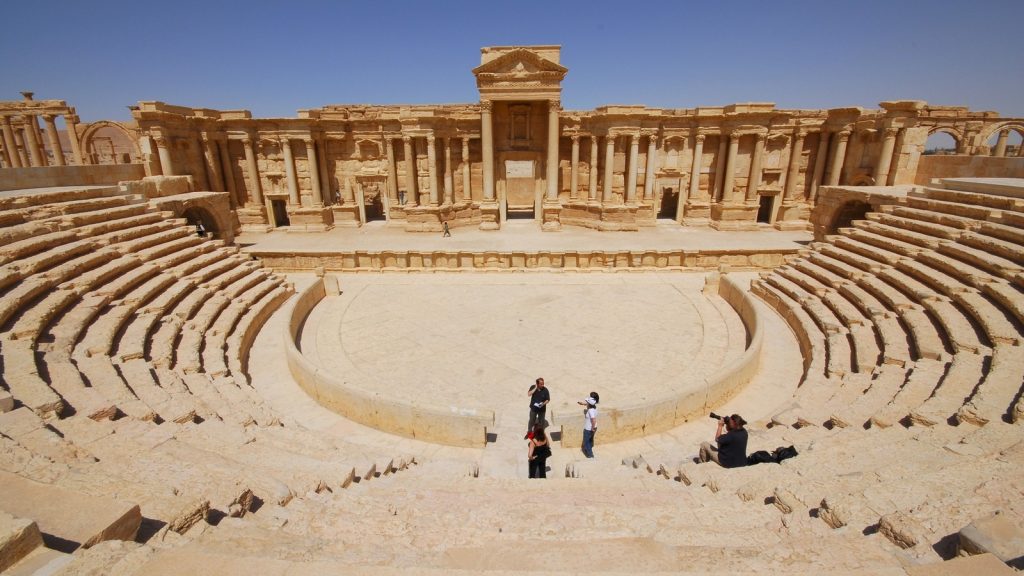
Roman theatre
This unfinished theatre dates again to the 2d century CE, whilst Palmyra became as soon as one of the maximum critical cultural centers of the historic global. In the mid-twentieth century it became restored and used as a venue for the yearly Palmyra festival
Valley of the Tombs
The Royal Necropolis of Ancient Thebes became placed south-west of Palmyra in a place known as the Valley of the Tombs. This photo indicates an underground burial chamber for 3 rich brothers
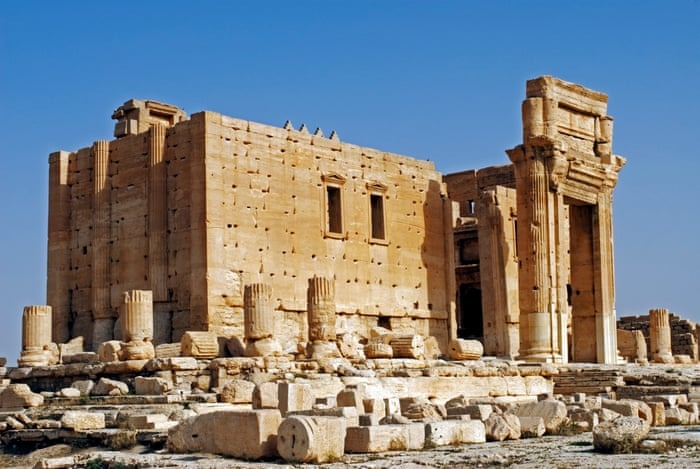
Temple of Ba’al
This awesome temple of Ba’al became of the maximum critical devoted homes of the first century AD. In 1132 the Turkish Burid dynasty grew to become it right into a fortress
Tetrapylon at the Cardo Maximus
A hanging instance of this shape of Roman monument, every of the 4 corporations of pillars helps 150,000kg of strong cornice
Ancient burial tower
Tombs had been constructed on excessive floor on the primary avenue linking Palmyra with Emesa, now referred to as Homs, and Damascus. This one belonged to the Elhabel family
Hadrian’s Gate
Palmyra have become a town with ‘free’ popularity below the Roman emperor Hadrian (117 to 138 CE), who visited the metropolis in 129 CE
Stone carvings at the Temple of Ba’al
The artwork and structure of Palmyra became a superb aggregate of Greco-Roman techniques, nearby traditions and Persian influences