Do historic ruins depend as compared with human lives? That is the painful query every time an archaeological web page comes beneath neath chance from the hammers and bulldozers of the assassin military devoted state. It is turning into a depressingly acquainted scenario. IS receives its fingers on one of the global cultural treasures wherein Syria and Iraq are so wealthy. Western intellectuals bleat approximately the loss to civilization because the iconoclasts set approximately their brutal work. Boris Johnson is going complete Churchillian.
But while the dirt settles – literally – over razed monuments, for plenty human beings that query remains. So what? It is tragic while ruins vanish, however absolutely now no longer as tragic because the lack of a unmarried real residing individual. How are you able to cry for stones while youngsters are dying?
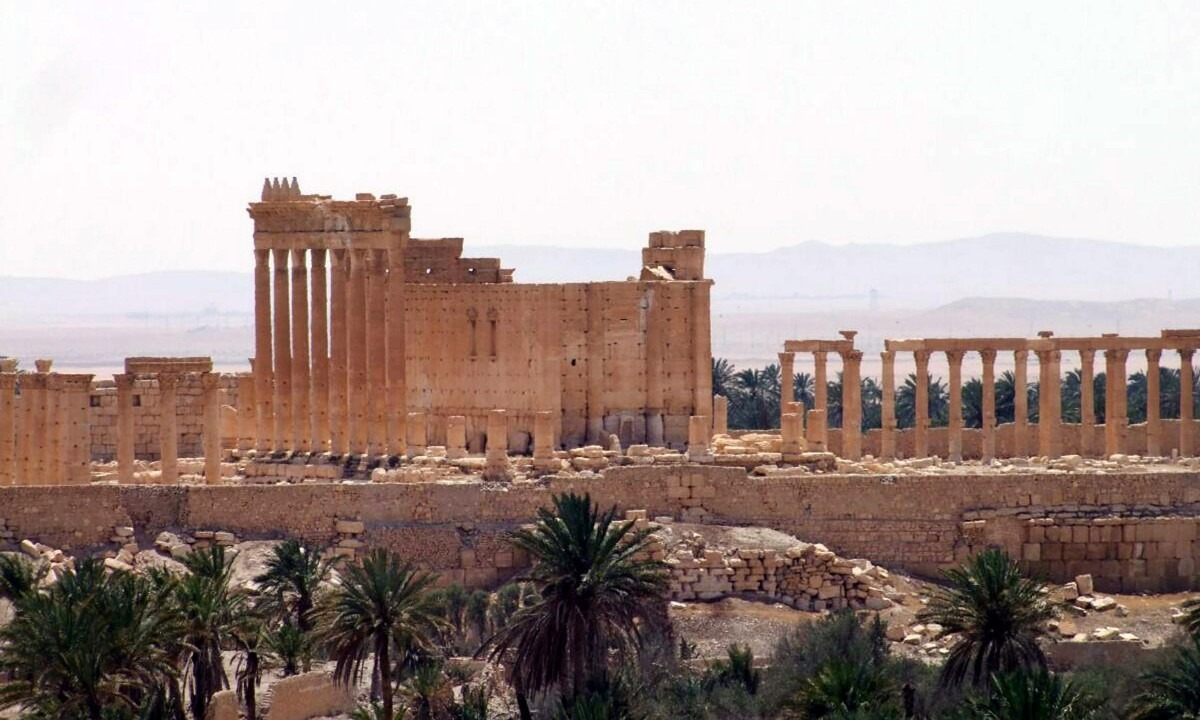
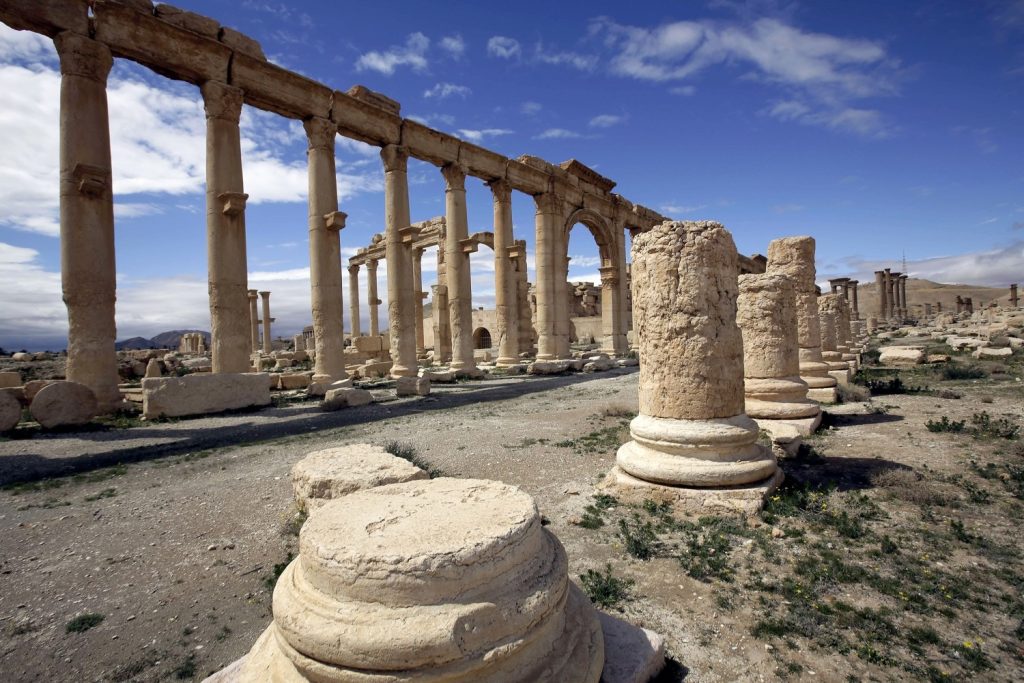
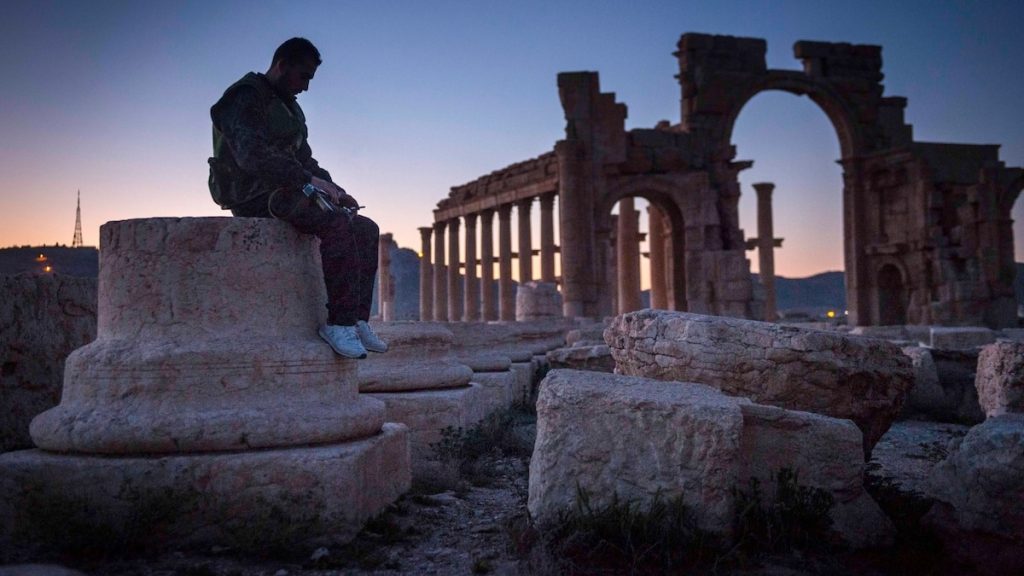
The brand new historic web page to be enharmfuled through devoted state is Palmyra in Syria, and despite the fact that the willfully barbaric militants seem to were held lower back for now, that is a call that truly conjures romantic sorrow. Yesterday I were given a message that expresses the dread many artwork fanatics feel. The Daniel Blau Gallery truly dispatched out a hard and fast of Victorian snap shots of Palmyra’s haunting columns, a silent gesture of harmony with … What?
With humanity, it really is what. It is simply foolish and incorrect to suppose there’s a few contradiction among mourning human beings and mourning artwork and architecture. The beyond is human and it’s far as critical to existence now as our childhoods are to our person minds and memories.
I’ve simply been searching at stable proof of this unbreakable emotional connection among artwork and actual existence. In the British Museum in London is a wall of existence-sized pictures of human beings from historic Palmyra. They are numerous and characterful: robust women, younger men, merchants. All are recognized through call, for those end devotion pictures have been discovered with farewell inscriptions.
Meet Aqmat. She lived in Palmyra withinside the second century AD. She changed into somebody’s daughter, somebody’s granddaughter: to be precise, “daughter of Hagagu, descendant of Zebida, descendant of Ma’an. Alas!” She need to have died younger, to choose from the inscription’s plaintive cry. She is portrayed as beautiful, rich and sophisticated. Wearing wealthy jewelry over her robes, she components her head protecting so she will be able to gaze at once lower back on the individual reaching her grave.
Other human beings from Palmyra surround her. There are couples portrayed collectively and a end devotion banquet.
Who says the beyond is bloodless stone? These are human beings as vibrant as you and me.
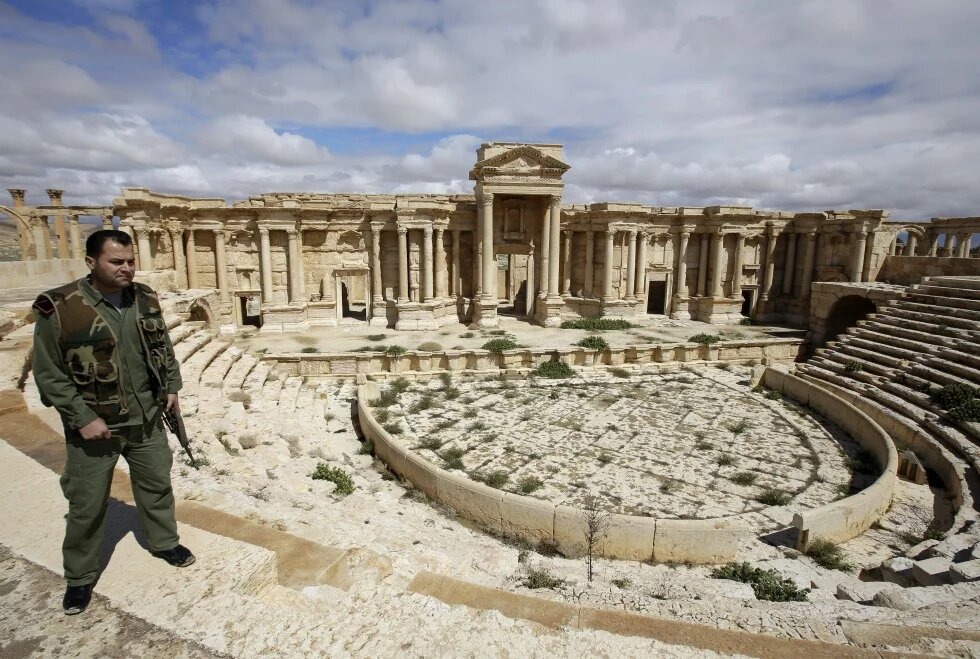
Pictures of the architectural splendors of Palmyra make it simple how desperately this area desires to be preserved. And if each person thinks there may be a distinction among saving stone and saving human beings, appearance at the faces of the historic Palmyrans. The beyond isn’t a far flung area. It is the reflect of ourselves. To cherish records and artwork is to care approximately the future. Only if we will believe ourselves as a part of a human tale that connects the ones historic faces from Palmyra with the human beings round us are we able to name ourselves “civilized”. Otherwise we are simply animals with out memory.
The ruins of Palmyra are now no longer “dead”. They are residing, and if it involves it, they need to be guarded through air moves for the sake of all our futures.