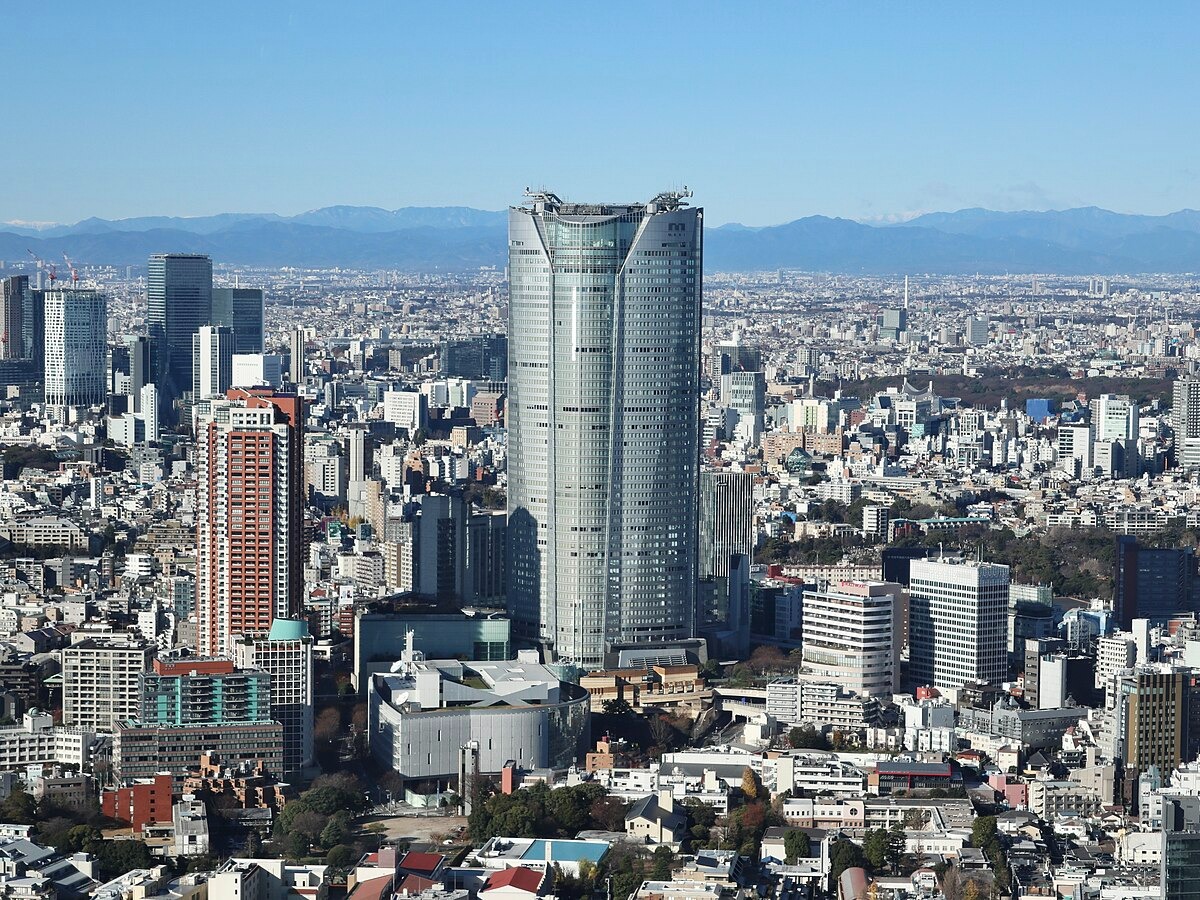
When the past due Tokyo assets rich person Minoru Mori finished production of Roppongi Hills in 2003, it turned into hailed as a technological wonder – a massive, sprawling hodgepodge of residential, business, amusement and retail features that carried out as though it have been a self-contained neighborhood. And it turned into, alevin though possibly now no longer withinside the manner its designers imagined.
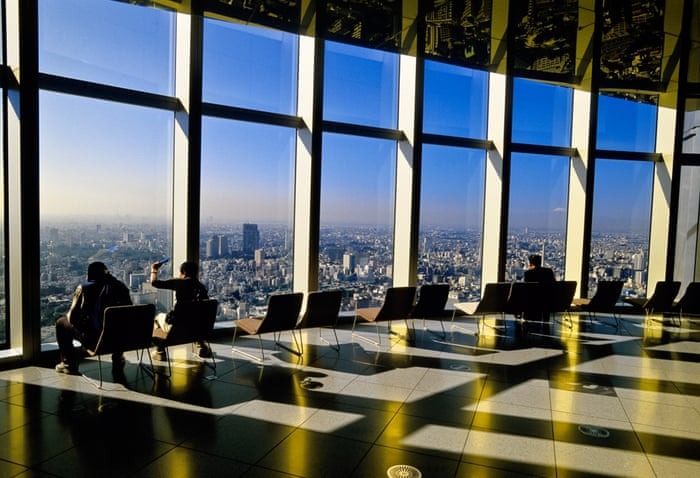
The format turned into nearly perversely illogical: 724,000 rectangular meters of ground area dispensed amongst 4 wonderful excessive-rises and a warren of multi-stage passages that might had been designed through Magritte. The comic story approximately Roppongi Hills is that when inside, nobody has ever been capable of parent out the way to get from factor A to factor B and lower back again – regardless of a map.
Whether meant or now no longer, this complicated mimics the maze-like best of many antique Tokyo neighborhoods. Until the give up of the second one international war, the town had the unlucky addiction of burning down each couple of years (in fact, nearby firefighting brigades have been historically made from carpenters, consequently imparting an historic rationalization for Tokyo’s infamous “scrap-and-build” reputation).
Since the war, the town appears to had been reworking itself on an nearly every day basis, resisting any tries at city making plans as a result of the makeshift nature of its neighborhoods, a laissez-faire mind-set closer to development, and a penchant for the brand new. In this, Roppongi Hills turned into no different.
The neighborhood the complicated changed turned into a jumble of miscellaneous systems delineated through numerous principal thoroughfares and the studios of a first-rate business broadcaster. By the Sixties, the place contained 5 nine-story rental homes run through the country wide housing authority, however broadly speaking it turned into made from carefully packed wood homes organized alongside twisting streets that have been so slender they could not accommodate hearthplace trucks – and which simplest had one go out factor.
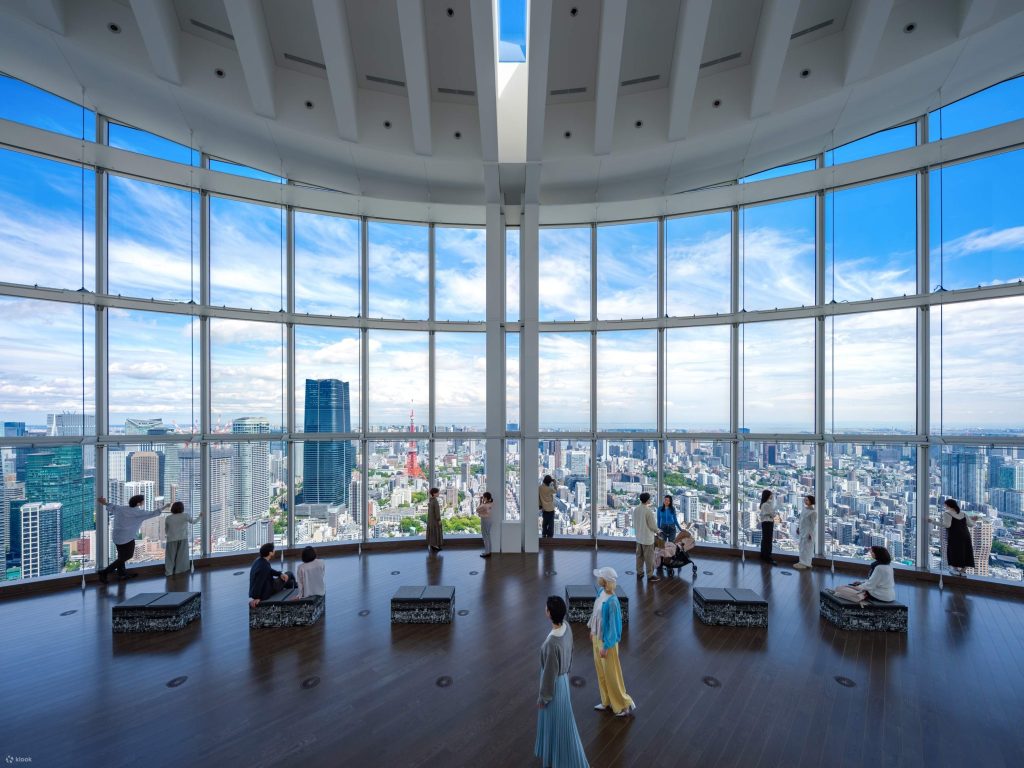
The Roppongi neighborhood is withinside the recent timery heart of the Yamanote, a place of the town center ringed through the railway line – what Tokyo historian Edward Seidensticker known as the “excessive town”, wherein the “right people” lived. Except that Roppongi wasn’t taken into consideration right. During the pre-cutting-edge technology and blessed with considerable floor water, the place turned into populated through samurai warriors who supplemented their measly sinecures through elevating goldfish. The way of life continued: the primary head of the Roppongi Hills citizens’ association, Tamotsu Hara, used to reproduce goldfish himself earlier than his residence turned into condemned and he moved to a cushy nook unit at the forty first ground.
Before the war, Roppongi turned into domestic to the Japanese military; afterwards, the Americans used it for a base that outlasted the occupation. By the excessive-powered Nineteen Eighties it had have become Tokyo’s targeted distinguished demimonde, well-known for bars and discos frequented through overseas citizens and servicemen at the prowl. It turned into by no means as first rate because the close by neighborhoods, however it turned into on the threshold of the economic district that Minoru Mori’s own circle of relatives turned into fast filling up with tall workplace homes. In 1986, he received permission from the Tokyo prefectural authorities to redevelop Roppongi, of which Kohn Pedersen Fox Associates turned into the master-planner of the scheme – the most important such assignment withinside the town’s history.
It took Mori 17 years to barter the identify transfers. About four hundred families have been promised apartment withinside the towers to be built at the land they have been being requested to provide up, however simplest 161 surely took up the offer. During the extreme “bubble” duration of the past due Nineteen Eighties, assets values in Roppongi skyrocketed – so despite the fact that the proprietors should promote their land for massive profits, the brand new condos might value them even extra. Moreover, the control prices of extra than 60,000 yen (320) a month have been past the manner of maximum of those families.
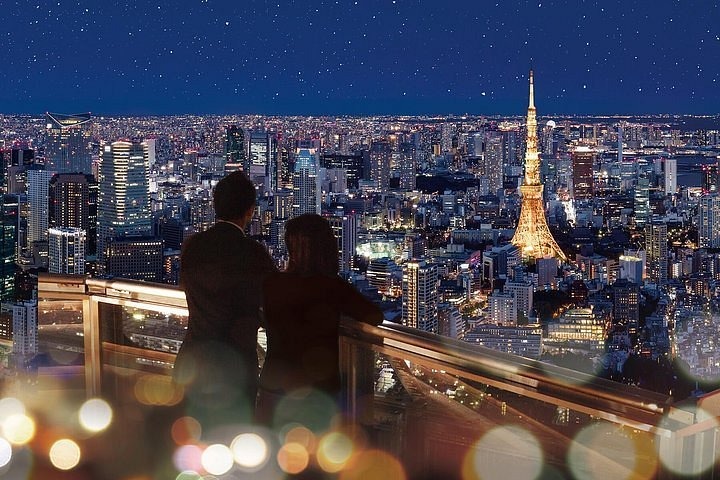
Japanese town planners have continually been interested by the self-contained community. In the Sixties and 70s, “new towns” designed through the critical housing authority sprung up withinside the suburbs of the country’s important cities. Modern rental blocks and single-own circle of relatives homes might be inside on foot distance of buying and amusement facilities – and, maximum importantly, paintings places. Though popular, those tendencies by no means attracted the groups that might have made them true “towns”, so salarymen citizens ended up commuting into the town.